
A 16-week randomized clinical trial has found that following a Mediterranean diet can significantly improve psoriasis severity, independent of weight loss. The study, published in JAMA Dermatology, demonstrated that patients adhering to the Mediterranean diet achieved greater improvements in skin condition, blood sugar levels, and mental well-being than those following a standard low-fat diet.
Study Overview
Researchers from the Hospital Universitario Ramón y Cajal in Madrid, led by Dr. Javier Perez-Bootello, designed the Impact of the Mediterranean Diet on Patients with Psoriasis (MEDIPSO) trial — the first randomized clinical study to evaluate how a structured Mediterranean diet program affects psoriasis outcomes without focusing on weight loss.
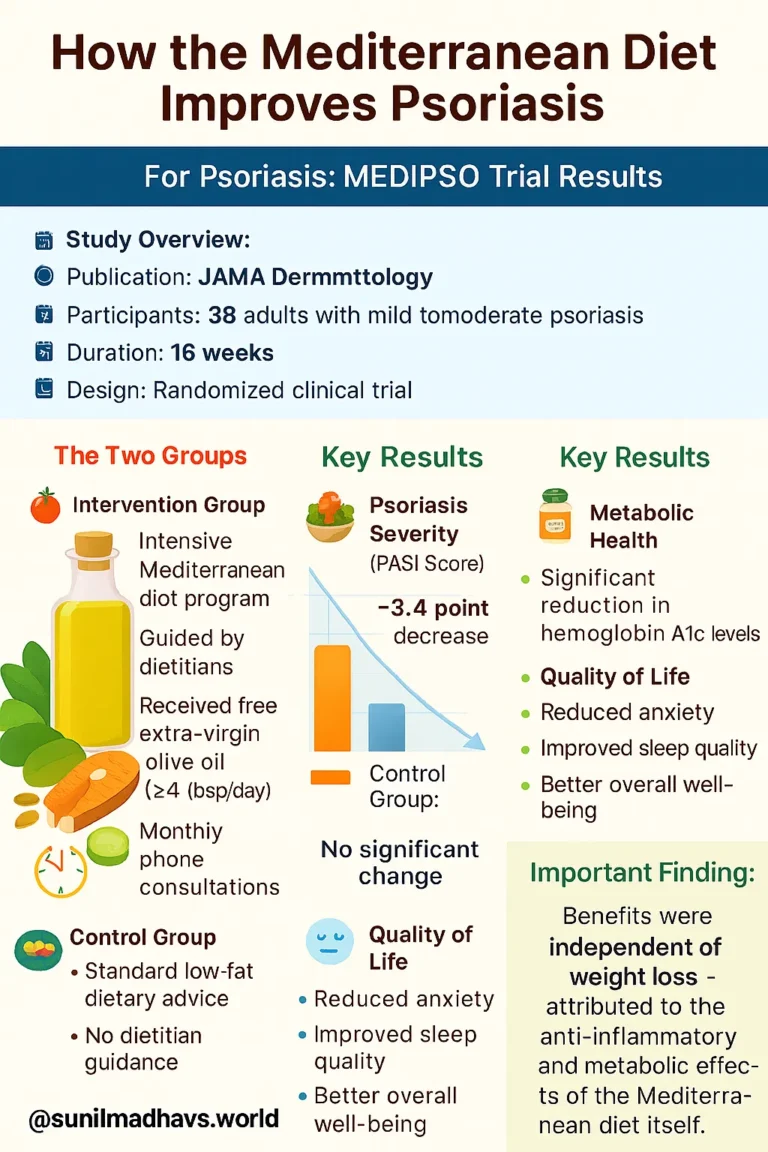
A total of 38 adults (average age: 46.4 years; 65.8% men) with mild to moderate psoriasis who were already on topical treatment participated. They were divided into two groups:
- One group received intensive Mediterranean diet counseling from dietitian-nutritionists for 16 weeks.
- The other group followed standard low-fat diet advice without ongoing guidance.
Participants in the Mediterranean diet group also received free weekly supplies of extra-virgin olive oil and were encouraged to consume at least 4 tablespoons daily. They attended monthly consultations and had 20-minute follow-up phone calls to monitor adherence.
Key Findings
After 16 weeks, those following the Mediterranean diet showed significant clinical improvement compared with the control group:
- PASI (Psoriasis Area and Severity Index) scores decreased by 3.4 points (95% CI, –4.4 to –2.4) compared with virtually no change in the low-fat diet group.
- 47.4% of patients achieved PASI 75 (75% reduction in psoriasis severity) and 26.3% reached PASI 90 (90% reduction), while none of the control group achieved similar results.
- These results occurred without significant weight loss, suggesting that the improvements were related to the diet’s anti-inflammatory and metabolic benefits, not weight reduction alone.
The Mediterranean diet group also had:
- A reduction in hemoglobin A1c levels by –4.1 mmol/mol (95% CI, –6.9 to –1.3; P < .001), indicating improved blood sugar regulation.
- Better sleep quality and lower anxiety levels, contributing to an enhanced overall quality of life.
Interpretation and Implications
According to Dr. Perez-Bootello, the findings highlight the therapeutic potential of dietary modification in managing psoriasis. The Mediterranean diet, rich in fruits, vegetables, whole grains, legumes, fish, and olive oil, is known for its anti-inflammatory and cardiometabolic benefits, which are highly relevant to psoriasis — a chronic, immune-mediated inflammatory condition often associated with metabolic and cardiovascular risk.
He emphasized that while current clinical guidelines mainly recommend weight loss or gluten-free diets for specific cases, this study suggests that structured dietary programs—especially those rooted in Mediterranean dietary principles—can be effective adjunct therapies for psoriasis.
“The benefits were not due to losing weight, but rather to the biological and metabolic effects of the diet itself,” Dr. Perez-Bootello noted. “This reinforces the importance of incorporating nutritional counseling as part of psoriasis management.”
Conclusion
The MEDIPSO trial provides strong evidence that a Mediterranean diet, even over a short period, can reduce inflammation, improve skin outcomes, and enhance overall health in psoriasis patients. The researchers advocate for integrating structured nutritional support into routine psoriasis care, emphasizing that this diet is sustainable, culturally adaptable, and beneficial for long-term cardiovascular health.
Dr. Perez-Bootello concluded that larger, long-term, and multicenter studies are needed to confirm these promising findings and fully establish dietary therapy as part of standard psoriasis treatment.
For further information, Dr. Javier Perez-Bootello can be reached at drperezbootello@gmail.com.

Hi
Test comment
Another test
Hi