
Coffee and Heart Health: Insights from a State-of-the-Art Review
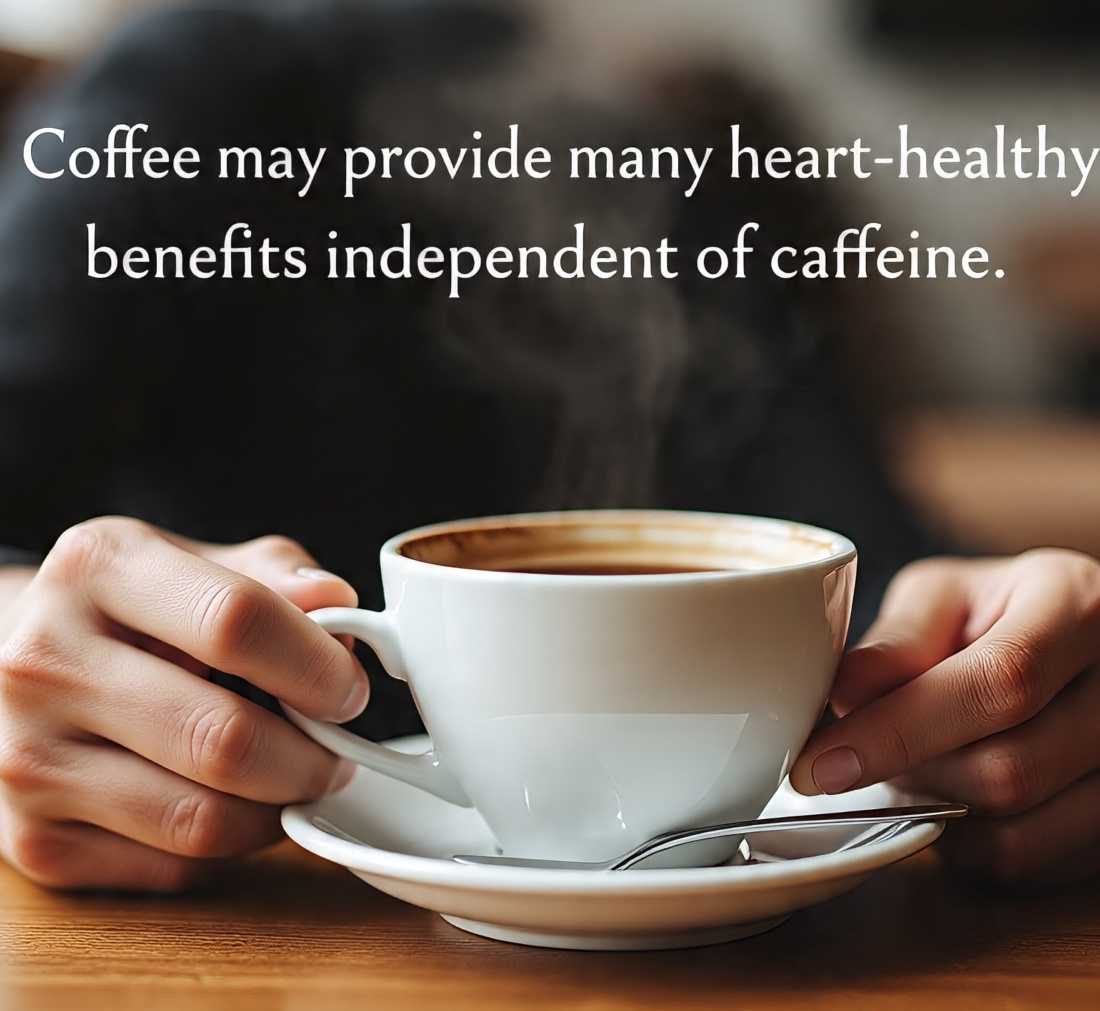
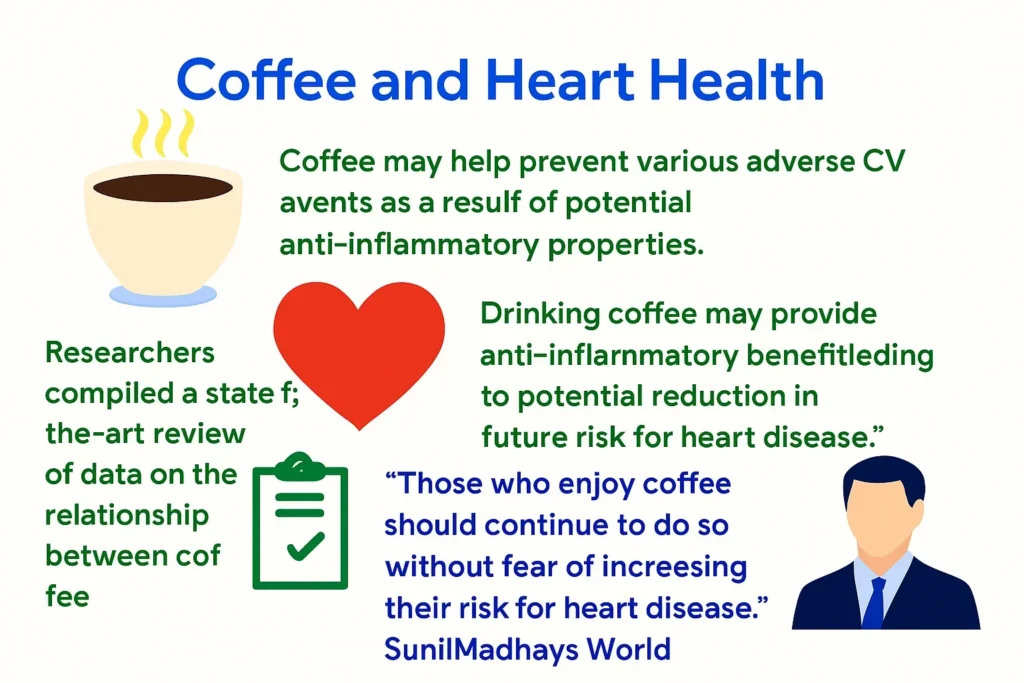
Coffee, known for its widespread popularity, may provide protective benefits against a range of cardiovascular (CV) conditions due to its potential anti-inflammatory effects. A recent state-of-the-art review, published in the European Heart Journal, compiled over two decades of research—primarily observational studies—exploring how coffee consumption relates to cardiovascular disease (CVD).
Potential Benefits of Coffee
According to Gregory M. Marcus, MD, MAS, a cardiologist and Endowed Professor of Atrial Fibrillation Research at the University of California, San Francisco, coffee may help lower the risk of several major conditions, including:
- Hypertension (high blood pressure)
- Type 2 diabetes
- Heart attacks (myocardial infarction)
- Atrial fibrillation (AF)
- Heart failure
- Premature death (all-cause mortality)
Many of these benefits may be due to anti-inflammatory properties and effects on liver function and insulin sensitivity, independent of caffeine itself. Interestingly, decaffeinated coffee has shown some similar benefits, suggesting compounds beyond caffeine are at play.
Mechanisms Behind the Benefits
While most findings come from observational research rather than randomized controlled trials (RCTs), Marcus highlighted several possible mechanisms:
- Caffeine as a diuretic may reduce blood pressure over time, despite the common perception that it raises BP.
- Coffee may support liver health, potentially reducing fatty liver disease and improving insulin sensitivity, lowering diabetes risk.
- Caffeine’s catecholamine-like effects (stimulating a mild adrenaline-like state) might reduce AF risk by counteracting vagal triggers, which commonly cause AF during sleep or after heavy meals.
- By blocking adenosine, a compound that can induce sleepiness and trigger AF in high doses, caffeine may help protect against AF.
- The beverage’s anti-inflammatory compounds—some present even in decaf—could also explain its cardioprotective properties.
Evidence from the CRAVE Trial
The CRAVE trial, conducted by Marcus and colleagues, explored real-time physiological effects of coffee using wearable devices. Healthy adults alternated between coffee consumption and abstinence. Results showed:
- No increase in atrial arrhythmias
- Reduced supraventricular tachycardia (SVT) on coffee-drinking days
- Participants exercised more on coffee days, possibly amplifying coffee’s health benefits.
Potential Risks and Drawbacks
Despite the positives, coffee is not without concerns:
- Unfiltered coffee can increase LDL cholesterol due to certain compounds that are normally removed by filtering. This may counteract coffee’s benefits on coronary artery disease (CAD).
- Coffee may double the frequency of premature ventricular contractions (PVCs)—early heartbeats from the lower chambers—particularly noted in the CRAVE trial. While generally harmless, this may be problematic for individuals prone to frequent PVCs.
- Some arrhythmias are distinct in their origins and responses, meaning coffee’s effects can vary by rhythm disturbance.
Is Coffee Right for Everyone?
Marcus emphasizes a personalized approach:
- There is no universal “optimal” amount of coffee since individuals metabolize caffeine differently.
- Most evidence does not support starting coffee if one doesn’t already drink it.
- For regular coffee drinkers, moderate intake—typically one to two cups per day—is considered safe and potentially beneficial.
- Listening to one’s body and practicing moderation remains the best guideline.
Looking Ahead
Future research, especially randomized controlled trials, may uncover ways to harness specific coffee compounds for targeted health benefits. Until then, Marcus advises against recommending coffee solely as a preventive strategy for heart disease, while reassuring current coffee drinkers that moderate consumption is unlikely to harm—and may benefit—their cardiovascular health.
For more information, contact Dr. Marcus at greg.marcus@ucsf.edu or via @gregorymmarcus on X (formerly Twitter).