75
Parental refusal of the newborn hepatitis B virus (HBV) vaccine has more than doubled since 2018, according to a retrospective cohort study published in JAMA Network Open. Analyzing live birth data from three centers within the University of Pennsylvania health system between 2018 and 2025, researchers examined medical records for 93,163 newborns in Philadelphia to quantify emerging trends in vaccine and preventive care hesitancy among parents.
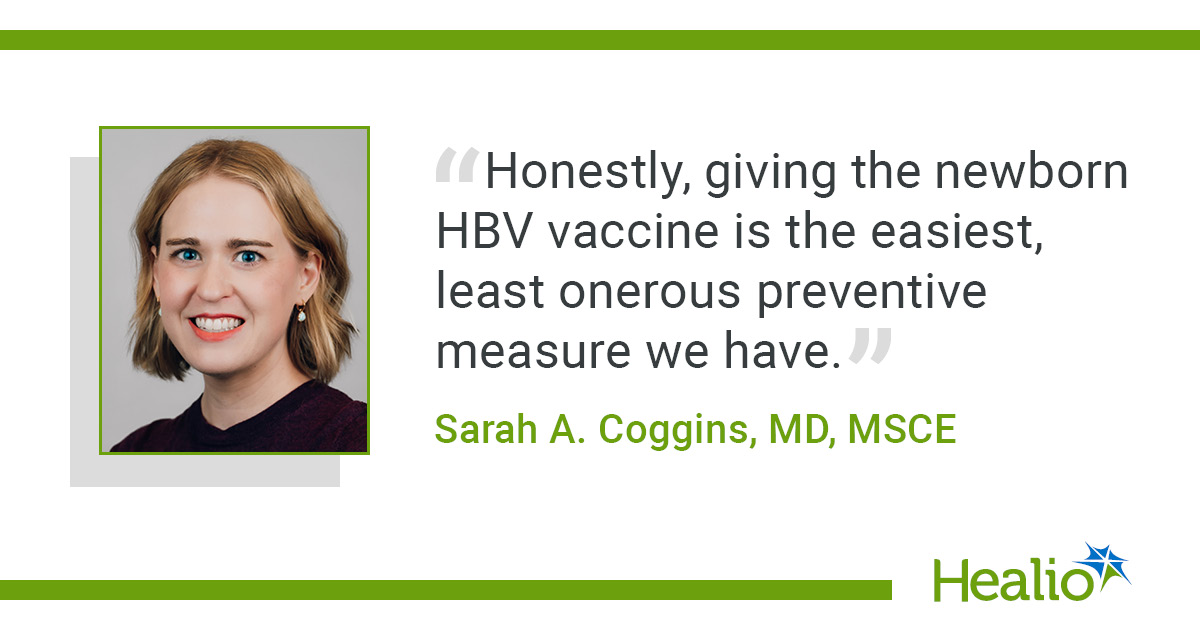
The investigation was initiated following clinical observations of rising parental pushback against standard newborn care bundles. As explained by Dr. Sarah A. Coggins, MD, MSCE, a neonatologist at the Children’s Hospital of Philadelphia and assistant professor of pediatrics at the University of Pennsylvania Perelman School of Medicine:
“The study was a reaction to clinical observations that neonatologists in my group and those more widely across the country have noted amid rising parental refusal of various recommended newborn preventive care interventions.”
Study Findings and Statistical Overview
Among the 93,163 newborns evaluated in the cohort, overall refusal rates for foundational interventions highlighted a significant correlation between declining uptake of vitamin K prophylaxis and the HBV birth dose. The data revealed that 83% of parents who declined vitamin K prophylaxis also refused the HBV vaccine.
| Preventive Intervention | Total Refusals (n) | Rate per 1,000 Births |
| Vitamin K Prophylaxis | 777 | 8.3 |
| Hepatitis B Vaccination | 9,400 | 100.9 |
Sex-based disparities further influenced intervention delivery. Newborn girls exhibited heightened vulnerability to parental preventive care omission, demonstrating twice the likelihood of missing vitamin K prophylaxis compared to boys and a marginally elevated risk of skipping the HBV vaccine.
| Demographic / Metric | Adjusted Odds Ratio (aOR) | 95% Confidence Interval (CI) | 2025 Refusal Rate (Per 1,000 Births) |
| Vitamin K Refusal (Girls vs. Boys) | 2.03 | [1.74, 2.35] | — |
| HBV Vaccine Refusal (Girls vs. Boys) | 1.06 | [1.01, 1.10] | Girls: 173.7 Boys: 166.3 |
Clinical Perspectives and Drivers of Hesitancy
Addressing the motivations behind parental declinations, Dr. Coggins highlighted multiple misconceptions commonly encountered in clinical settings. Many parents incorrectly assume that a negative maternal first-trimester HBV test eliminates all transmission risks for the child, failing to account for infections acquired later in pregnancy. Others mistakenly believe the virus is transmitted exclusively via sexual contact, ignoring environmental durability factors:
“Without disinfection, the HBV virus can live on these surfaces for up to 7 days. In short, the sex argument is not fully accurate.”
When discussing risk-benefit framing with hesitant parents, clinicians draw comparisons to everyday safety measures:
“Do you wear a seatbelt? And most people say yes. But you don’t expect to be in a car accident every time you get in a car; the seatbelt is for the one in a million chance that it does happen. The HBV vaccine is a preventive intervention for what may be an unlikely exposure. But the consequences of that rare exposure are so significant that the American Academy of Pediatrics has long championed the importance of the birth HBV vaccine dose.”
Furthermore, shifts in national guidance have introduced external confusion. Dr. Coggins noted that recent recommendations from federal bodies regarding shared decision-making lacked backing from major pediatric organizations and inadvertently amplified distrust:
“For my whole lifetime, the CDC has been a highly trusted authority on all aspects of healthcare in the United States. Recent changes to preventive care policies with decades of safety and efficacy data have caused growing tension between the CDC and healthcare professionals. It’s an uncomfortable situation, and I’m not surprised that parents are confused.”
Unchecked declines in newborn immunization risk reversing decades of epidemiological control, forcing clinicians to reintroduce vaccine-preventable illnesses into routine differential diagnoses alongside emerging outbreaks of other vaccine-preventable conditions like measles.
Interactive Patient Education Widget (CLS-Optimized for Soledad Theme)
To prevent Cumulative Layout Shift (CLS) on WordPress themes like Soledad, interactive elements must reserve a fixed aspect ratio or explicit minimum height using CSS containment. Below is the production-ready HTML and CSS code for an interactive vaccine decision-support tool widget.
HTML
<div class="soledad-widget-container" style="min-height: 420px; contain: layout style size;">
  <div class="hbv-widget-card">
    <h3>Newborn HBV Vaccine Fact-Checker</h3>
    <p>Select a common question to view clinical guidance:</p>
    <div class="hbv-btn-group">
      <button class="hbv-tab-btn active" onclick="showHbvTab(event, 'tab1')">Negative Test Result</button>
      <button class="hbv-tab-btn" onclick="showHbvTab(event, 'tab2')">Transmission Risks</button>
      <button class="hbv-tab-btn" onclick="showHbvTab(event, 'tab3')">Timing Options</button>
    </div>
    <div id="tab1" class="hbv-tab-content active">
      <h4>First-Trimester Screening</h4>
      <p>Most maternal HBV screenings occur early in pregnancy. New infections acquired during the third trimester will not be detected prior to hospital discharge without re-testing or birth immunization.</p>
    </div>
    <div id="tab2" class="hbv-tab-content">
      <h4>Environmental Stability</h4>
      <p>Hepatitis B virus can remain viable on environmental surfaces and shared household items for up to 7 days, making early neonatal protection critical against non-sexual household transmission paths.</p>
    </div>
    <div id="tab3" class="hbv-tab-content">
      <h4>Pediatrician Continuity</h4>
      <p>While parents may prefer deferring administration to primary care follow-ups, the birth dose offers immediate primary defense during the most critical vulnerable window of infant development.</p>
    </div>
  </div>
</div>

<style>
  .soledad-widget-container {
    width: 100%;
    max-width: 650px;
    margin: 20px auto;
    font-family: inherit;
  }
  .hbv-widget-card {
    background: #f9f9f9;
    border: 1px solid #e1e1e1;
    border-radius: 8px;
    padding: 20px;
    box-shadow: 0 2px 4px rgba(0,0,0,0.05);
  }
  .hbv-btn-group {
    display: flex;
    gap: 10px;
    margin-bottom: 15px;
    flex-wrap: wrap;
  }
  .hbv-tab-btn {
    background: #eef2f5;
    border: none;
    padding: 8px 14px;
    border-radius: 4px;
    cursor: pointer;
    font-weight: 600;
    font-size: 14px;
  }
  .hbv-tab-btn.active {
    background: #0056b3;
    color: #fff;
  }
  .hbv-tab-content {
    display: none;
    background: #ffffff;
    padding: 15px;
    border-radius: 6px;
    border: 1px solid #eef2f5;
    min-height: 100px;
  }
  .hbv-tab-content.active {
    display: block;
  }
</style>

<script>
  function showHbvTab(evt, tabId) {
    var i, content, buttons;
    content = document.getElementsByClassName("hbv-tab-content");
    for (i = 0; i < content.length; i++) {
      content[i].classList.remove("active");
    }
    buttons = document.getElementsByClassName("hbv-tab-btn");
    for (i = 0; i < buttons.length; i++) {
      buttons[i].classList.remove("active");
    }
    document.getElementById(tabId).classList.add("active");
    evt.currentTarget.classList.add("active");
  }
</script>
Clinical Trials Summary (CLS-Optimized HTML Component)
The HTML structure below renders a responsive clinical trials summary block. It reserves explicit dimensions to eliminate layout shifts when loaded dynamically inside a WordPress post template.
HTML
<div class="trial-summary-wrapper" style="min-height: 380px; contain: layout style size;">
  <div class="trial-card">
    <div class="trial-header">
      <span class="trial-badge">Retrospective Cohort Study</span>
      <span class="trial-source">JAMA Network Open</span>
    </div>
    <h3 class="trial-title">Trends and Disparities in Newborn Preventive Care Refusal (2018–2025)</h3>
    <div class="trial-grid">
      <div class="trial-metric">
        <span class="metric-value">93,163</span>
        <span class="metric-label">Total Newborns Evaluated</span>
      </div>
      <div class="trial-metric">
        <span class="metric-value">100.9 / 1k</span>
        <span class="metric-label">HBV Vaccine Refusal Rate</span>
      </div>
      <div class="trial-metric">
        <span class="metric-value">8.3 / 1k</span>
        <span class="metric-label">Vitamin K Refusal Rate</span>
      </div>
    </div>
    <div class="trial-footer">
      <strong>Key Finding:</strong> 83% of parents refusing vitamin K prophylaxis concurrently refused the HBV birth dose, revealing correlated parental risk attitudes toward routine neonatal bundles.
    </div>
  </div>
</div>

<style>
  .trial-summary-wrapper {
    width: 100%;
    max-width: 650px;
    margin: 25px auto;
  }
  .trial-card {
    background: #ffffff;
    border-left: 5px solid #0056b3;
    border-top: 1px solid #e1e1e1;
    border-right: 1px solid #e1e1e1;
    border-bottom: 1px solid #e1e1e1;
    border-radius: 4px 8px 8px 4px;
    padding: 20px;
    box-shadow: 0 4px 6px rgba(0,0,0,0.03);
  }
  .trial-header {
    display: flex;
    justify-content: space-between;
    margin-bottom: 10px;
    font-size: 12px;
    text-transform: uppercase;
    font-weight: 700;
    color: #666;
  }
  .trial-badge {
    background: #eef2f5;
    padding: 3px 8px;
    border-radius: 3px;
    color: #0056b3;
  }
  .trial-title {
    font-size: 18px;
    margin: 0 0 15px 0;
    color: #222;
  }
  .trial-grid {
    display: flex;
    justify-content: space-between;
    gap: 10px;
    margin-bottom: 15px;
    text-align: center;
  }
  .trial-metric {
    flex: 1;
    background: #fdfdfd;
    border: 1px solid #eee;
    padding: 10px;
    border-radius: 6px;
  }
  .metric-value {
    display: block;
    font-size: 20px;
    font-weight: 700;
    color: #0056b3;
  }
  .metric-label {
    font-size: 11px;
    color: #555;
  }
  .trial-footer {
    font-size: 13px;
    color: #444;
    border-top: 1px solid #f0f0f0;
    padding-top: 10px;
  }
</style>