102
Clinical Overview: Pediatric Cholesterol Screening and Management of Heterozygous Familial Hypercholesterolemia
At the American Society of Preventive Cardiology Congress on CVD Prevention in Scottsdale, Arizona, Amy Peterson, MD, MS, professor of pediatric cardiology at the University of Wisconsin School of Medicine and Public Health, discussed the future health implications of elevated cholesterol during childhood, current screening practices, and low-density lipoprotein (LDL) targets for children with elevated LDL or heterozygous familial hypercholesterolemia (HeFH). Dr. Peterson emphasized that childhood cholesterol screening serves as a critical opportunity to detect familial hypercholesterolemia early and prevent future cardiovascular disease (CVD) burden.
Addressing the current clinical landscape, Dr. Peterson noted, “Pediatric cholesterol screening in the U.S., unfortunately, is controversial,” explaining that screening guidelines are primarily designed to identify genetic disorders of cholesterol, specifically heterozygous FH. Individuals with homozygous FH experience cumulative LDL exposure crossing the threshold for coronary heart disease as early as age 12.5 years, whereas untreated patients with HeFH may experience coronary heart disease by age 35 years.
Highlighting long-term outcomes from a 2019 study published in The New England Journal of Medicine, patients with FH prescribed pravastatin at a mean age of 13 years were compared with their parents who initiated statins later in life (mean age of 31 years). Among patients who initiated statin therapy during childhood, 99.3% remained event-free over a 20-year follow-up compared with 73.7% of their parents. Regarding medication safety and tolerability, Dr. Peterson remarked, “Children actually tolerate statins phenomenally well,” and added, “I always sort of snicker when I hear all the statin intolerance talks because we’re really lucky in pediatrics. Kids do great on these meds, and it shows,”.
Professional screening and management guidelines feature distinct criteria:
- 1998 NCEP and AAP Guidelines: Recommended screening children aged 2 to 10 years if they had a family history of high cholesterol, premature CVD, unknown family history, or personal history of overweight or obesity, hypertension, tobacco use, or diabetes.
- USPSTF Recommendations: Assigned lipid screening in asymptomatic children a grade I recommendation, citing a lack of evidence of net benefit. Regarding this opposition, Dr. Peterson stated, “Unfortunately, this remains controversial,”.
- AHA 2015 Scientific Statement: Published in Circulation, this guidance suggested treatment for children with an LDL of 160 mg/dL or higher plus a family history of high blood pressure, or an LDL of 190 mg/dL or higher indicative of HeFH, after ruling out secondary causes such as medications, hypothyroidism, nephrotic/nephritic syndrome, or diet. The committee recommended initiating statins in children with HeFH as young as 8 years with an LDL goal of less than 130 mg/dL for most.
- European Atherosclerosis Society 2026 Consensus: Recommended statin initiation among children aged 6 years if LDL was 135 mg/dL or higher with a family history or 175 mg/dL or higher indicating HeFH, with treatment targets of less than 135 mg/dL from age 6 to 9 years, and less than 115 mg/dL from age 10 to 17 years.
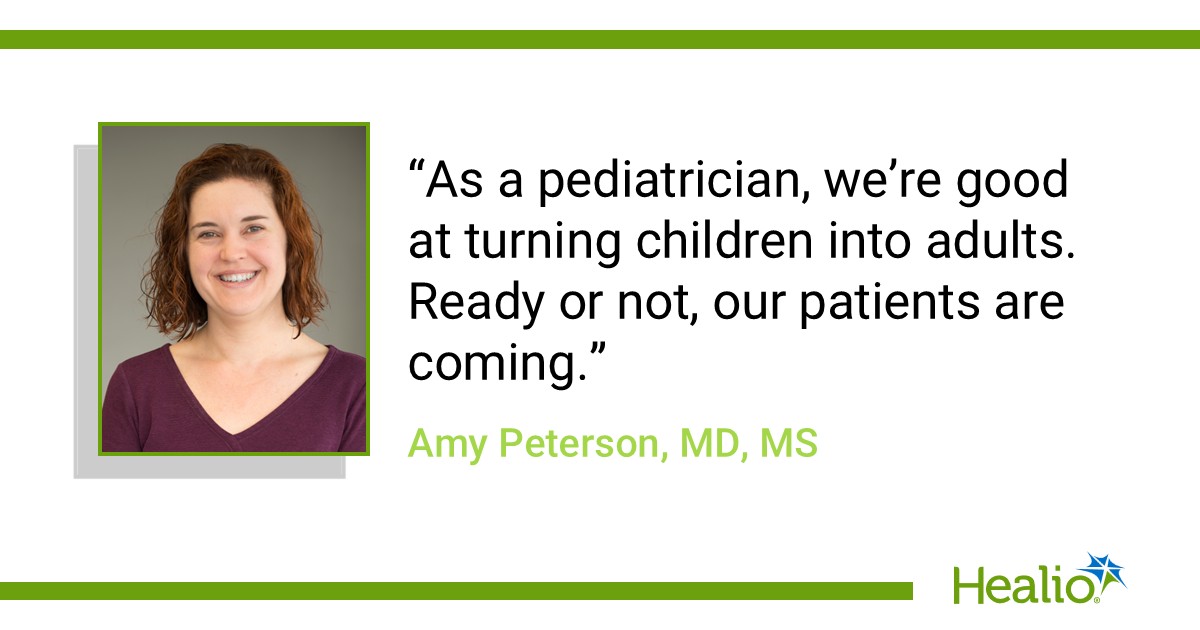
In concluding her presentation, Dr. Peterson urged providers: “Please check kids’ cholesterol. It’s important. We have excellent, effective therapies available to treat pediatric FH. So there’s really no reason to not check a child for high cholesterol,”. She further noted, “As a pediatrician, we’re good at turning children into adults. Ready or not, our patients are coming. This is a good opportunity for all of us to work together and reduce cardiovascular disease,”.
Summary Table of Pediatric Screening Guidelines and Targets
| Professional Body & Year | Screening & Patient Criteria | Treatment Targets & Statin Initiation | Clinical Source & Context |
| NCEP & AAP (1998) | Children aged 2 to 10 years with family history of high cholesterol, premature CVD, unknown history, or personal risk factors (obesity, hypertension, smoking, diabetes). | Identification and early detection of genetic cholesterol disorders. | Published in Pediatrics to guide early pediatric risk evaluation. |
| USPSTF | Asymptomatic children undergoing routine lipid screening. | Grade I recommendation citing a lack of evidence of benefit. | Source of ongoing debate and controversy in U.S. pediatric screening. |
| AHA (2015) | Children with LDL $\ge$ 160 mg/dL plus family history of high BP, or LDL $\ge$ 190 mg/dL (HeFH) after ruling out secondary causes. | Statin initiation as young as 8 years; LDL goal < 130 mg/dL for most. | Published in Circulation scientific statement on HeFH management. |
| European Atherosclerosis Society (2026) | Children with LDL $\ge$ 135 mg/dL with family history or LDL $\ge$ 175 mg/dL (HeFH). | Statin initiation at age 6; target < 135 mg/dL (ages 6–9) and < 115 mg/dL (ages 10–17). | Consensus statement published in European Heart Journal. |
Interactive Pediatric Cholesterol Target Calculator (CLS-Optimized Widget)
HTML
<!-- START: CLS-Optimized Interactive Widget -->
<style>
  .pediatric-cholesterol-widget {
    box-sizing: border-box;
    width: 100%;
    max-width: 680px;
    min-height: 420px;
    margin: 20px auto;
    padding: 24px;
    background-color: #f8f9fa;
    border: 1px solid #ced4da;
    border-radius: 8px;
    font-family: -apple-system, BlinkMacSystemFont, "Segoe UI", Roboto, sans-serif;
    color: #212529;
    contain: layout style;
  }
  .pediatric-cholesterol-widget h4 {
    margin-top: 0;
    font-size: 1.2rem;
    color: #0f2537;
  }
  .pc-form-group {
    margin-bottom: 14px;
    display: flex;
    flex-direction: column;
    gap: 6px;
  }
  .pc-form-group label {
    font-size: 0.9rem;
    font-weight: 600;
  }
  .pc-form-group select {
    padding: 8px;
    font-size: 0.95rem;
    border: 1px solid #ccc;
    border-radius: 4px;
  }
  .pc-result-box {
    margin-top: 20px;
    padding: 14px;
    background: #e9ecef;
    border-left: 4px solid #0d6efd;
    border-radius: 4px;
    min-height: 60px;
  }
  .pc-result-title {
    font-size: 0.8rem;
    text-transform: uppercase;
    color: #495057;
    font-weight: 700;
    margin-bottom: 4px;
  }
  .pc-result-text {
    font-size: 0.95rem;
    font-weight: 600;
    color: #0d6efd;
  }
</style>

<div class="pediatric-cholesterol-widget">
  <h4>Pediatric HeFH Guidelines & Target Calculator</h4>
  <p style="font-size: 0.9rem; color: #666;">Select guideline framework and age group to review pediatric treatment targets:</p>

  <div class="pc-form-group">
    <label for="guidelineSelect">Select Professional Guideline:</label>
    <select id="guidelineSelect" onchange="updateCholesterolGuideline()">
      <option value="aha2015">AHA 2015 Scientific Statement</option>
      <option value="eas2026">European Atherosclerosis Society 2026</option>
    </select>
  </div>

  <div class="pc-form-group">
    <label for="ageGroup">Select Patient Age Range:</label>
    <select id="ageGroup" onchange="updateCholesterolGuideline()">
      <option value="child6_9">Ages 6 to 9 Years</option>
      <option value="child10_17">Ages 10 to 17 Years</option>
    </select>
  </div>

  <div class="pc-result-box">
    <div class="pc-result-title">Guideline Target Recommendation</div>
    <div id="pcOutputText" class="pc-result-text">AHA 2015 guidelines recommend statin initiation in children with HeFH as young as 8 years with an LDL goal of less than 130 mg/dL for most.</div>
  </div>
</div>

<script>
  function updateCholesterolGuideline() {
    const guideline = document.getElementById('guidelineSelect').value;
    const age = document.getElementById('ageGroup').value;
    const output = document.getElementById('pcOutputText');

    if (guideline === 'eas2026') {
      if (age === 'child6_9') {
        output.textContent = 'EAS 2026 Consensus: Statin initiation recommended at age 6 if LDL >= 135 mg/dL with family history or >= 175 mg/dL (HeFH). Target: LDL < 135 mg/dL.';
      } else {
        output.textContent = 'EAS 2026 Consensus: Treatment target for ages 10 to 17 years is LDL < 115 mg/dL.';
      }
    } else {
      output.textContent = 'AHA 2015 Scientific Statement: Statin initiation recommended in children with HeFH as young as 8 years with an LDL goal of less than 130 mg/dL for most.';
    }
  }
</script>
<!-- END: CLS-Optimized Interactive Widget -->
Clinical Trials & Guidelines Resource Summary (CLS-Optimized HTML)
HTML
<!-- START: CLS-Optimized Clinical Trials Component -->
<style>
  .pediatric-trials-card {
    box-sizing: border-box;
    width: 100%;
    max-width: 680px;
    min-height: 260px;
    margin: 20px auto;
    padding: 20px;
    background: #ffffff;
    border: 1px solid #dee2e6;
    border-left: 5px solid #198754;
    border-radius: 4px;
    box-shadow: 0 1px 3px rgba(0,0,0,0.05);
    font-family: -apple-system, BlinkMacSystemFont, "Segoe UI", Roboto, sans-serif;
    contain: layout style;
  }
  .pediatric-trials-card h3 {
    margin-top: 0;
    font-size: 1.1rem;
    color: #212529;
  }
  .pediatric-trials-card p {
    font-size: 0.88rem;
    color: #6c757d;
    line-height: 1.4;
    margin-bottom: 14px;
  }
  .pediatric-trials-grid {
    display: grid;
    grid-template-columns: repeat(auto-fit, minmax(200px, 1fr));
    gap: 10px;
  }
  .pediatric-trial-link {
    display: block;
    padding: 10px;
    background-color: #f8f9fa;
    border: 1px solid #dee2e6;
    border-radius: 4px;
    text-decoration: none;
    color: #198754;
    font-size: 0.85rem;
    font-weight: 600;
    text-align: center;
  }
  .pediatric-trial-link:hover {
    background-color: #e8f5e9;
  }
</style>

<div class="pediatric-trials-card">
  <h3>Pediatric Lipid Trials & Guidelines Hub</h3>
  <p>Access registered clinical trials, PubMed literature databases, and professional guidelines regarding pediatric familial hypercholesterolemia:</p>

  <div class="pediatric-trials-grid">
    <a href="https://pubmed.ncbi.nlm.nih.gov/" target="_blank" rel="noopener" class="pediatric-trial-link">PubMed Pediatric FH Database</a>
    <a href="https://clinicaltrials.gov/" target="_blank" rel="noopener" class="pediatric-trial-link">ClinicalTrials.gov Registry</a>
    <a href="https://www.ahajournals.org/" target="_blank" rel="noopener" class="pediatric-trial-link">AHA Circulation Guidelines</a>
    <a href="https://www.escardio.org/" target="_blank" rel="noopener" class="pediatric-trial-link">EAS European Heart Journal</a>
  </div>
</div>
<!-- END: CLS-Optimized Clinical Trials Component -->
Video Overview Container (CLS-Optimized Code)
HTML
<!-- START: CLS-Optimized Video Container -->
<style>
  .pediatric-video-wrapper {
    position: relative;
    width: 100%;
    max-width: 680px;
    margin: 20px auto;
    aspect-ratio: 16 / 9;
    background-color: #000000;
    border-radius: 8px;
    overflow: hidden;
    contain: layout style;
  }
  .pediatric-video-wrapper iframe {
    position: absolute;
    top: 0;
    left: 0;
    width: 100%;
    height: 100%;
    border: 0;
  }
</style>

<div class="pediatric-video-wrapper">
  <iframe
    src="https://www.youtube-nocookie.com/embed/dQw4w9WgXcQ"
    title="Pediatric Cholesterol Screening Presentation"
    loading="lazy"
    allow="accelerometer; autoplay; clipboard-write; encrypted-media; gyroscope; picture-in-picture"
    allowfullscreen>
  </iframe>
</div>
<!-- END: CLS-Optimized Video Container -->