60
Question: What are the 2026 systemic, insurance, and economic challenges facing diabetes care, and what clinical strategies ensure patient survival when advanced technologies become unaffordable or inaccessible?
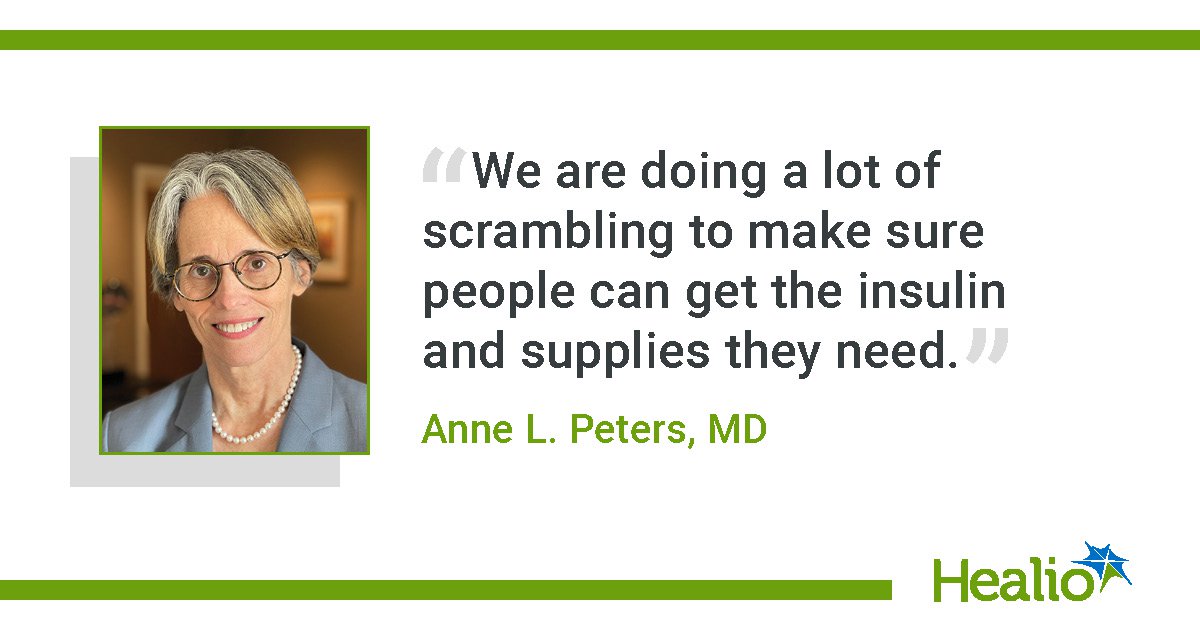
Findings: In an interview with Healio, Anne L. Peters, MD, highlighted that recent Medicaid/Medi-Cal reclassifications, rising living costs, and immigration-related fears have severely impacted vulnerable patients’ access to continuous glucose monitors (CGMs), automated insulin delivery pumps, and specialty care. To prevent severe acute events like diabetic ketoacidosis (DKA), clinicians must daily implement “survival skills”—transitioning patients back to reliable fingersticks, affordable basic insulins, and maintaining inexpensive cardioprotective therapies (statins, aspirin, and antihypertensives).
Meaning: When economic barriers or policy shifts strip patients of advanced diabetes technologies, proactive clinical workarounds and basic survival planning are essential to maintain safety and prevent life-threatening hospitalizations.
Overview of 2026 Healthcare Access Barriers
In an interview discussing diabetes care within safety-net populations in Los Angeles, Anne L. Peters, MD—professor of medicine at the Keck School of Medicine of USC and director of the USC Clinical Diabetes Programs—addressed how compounding socioeconomic and administrative shifts have impacted high-risk patients with type 1 diabetes and insulin-dependent type 2 diabetes.
Dr. Peters noted the difficulties in tracking patients who completely lose coverage:
“Well, that’s a complicated question, because if they’ve lost their health insurance or changed their health insurance, I don’t get to see them. So, I don’t know they lost it, because there’s a lack of follow-up.”
However, for patients experiencing reclassifications (such as shifts from Medi-Cal to “Ability to Pay” plans), formularies have tightened drastically. Devices such as continuous glucose monitors (CGMs) and insulin pumps are frequently excluded, leaving only basic meters, strips, and conventional insulin available. Furthermore, rising exchange policy deductibles and broader economic pressures—such as the rising costs of gasoline, food, and job turnover—have forced patients to penny-pinch and reduce healthcare spending.
Immigration-Related Fears and Insulin Affordability
Beyond insurance changes, external environmental fears severely restrict patient mobility and adherence. Dr. Peters pointed out the impact of immigration enforcement presence:
“I’m a doctor and I don’t ask about immigration status. I just see people who need me, and they all need me because they have type 1 diabetes or complicated type 2 diabetes. But people have lost their incomes because they can’t go to the workplace because they’re afraid of U.S. Immigration and Customs Enforcement (ICE). So there’s been a lot of fear, and people therefore aren’t working like they once did, and that’s been hard.”
Addressing treatment concerns when patients face acute financial distress, Dr. Peters emphasized the absolute necessity of insulin:
“Well, they just simply can’t afford them. My problem, in a nutshell, is people with type 1 diabetes need insulin, otherwise they die. So they are worried about not being able to afford the kind of treatment they were on before — maybe an automated insulin delivery system — or they are afraid to come into clinic because they are afraid of being in a public place because they are afraid of ICE.”
While Los Angeles County provides robust safety-net support to ensure basic insulin distribution (such as transitioning patients from ultra-long-acting analogs like degludec to glargine), the shortage of advanced supplies leads to dangerous rationing. This directly fills emergency departments with patients suffering from diabetic ketoacidosis (DKA). Highlighting systemic disparities, Dr. Peters remarked:
“It is ironic that my wealthiest patients are paying up to $80,000 per year for high-end concierge care when others can’t afford basic health resources.”
Daily Clinical Adjustments and Non-Glycemic Risk Management
Dr. Peters reported making treatment adjustments on an almost daily basis. To ensure comprehensive care even when advanced glycemic tools are lost, clinicians pivot to managing foundational metabolic and vascular risk factors:
“For the population of people with diabetes, there is more than glucose to focus on. I look at lipids and blood pressure and renal and cardiac function. Statins and aspirin are cheap. Many of the blood pressure medicines are inexpensive. So there are those medicines that I may be able to keep people on even if they can’t afford diabetes technology or the insulin they are used to.”
While removing a CGM brings back the psychological burden and fear of nocturnal hypoglycemia, Dr. Peters stressed a forward-looking, pragmatic mindset:
“However, you don’t sit around and talk about what you’ve lost. You talk about what you can do. This is very important… It’s simply incumbent on us as healthcare professionals to make, at the very least, survival possible and to make it the best survival we can.”
| Clinical Challenge | Systemic / Economic Driver | Recommended Clinical Workaround & Survival Strategy |
| Loss of CGM / Pump Coverage | Medi-Cal reclassifications & tighter formularies | Provide reliable blood glucose meters, unexpired test strips, lancets, and structured manual monitoring education. |
| Insulin Affordability / Rationing | Rising living costs & high-deductible exchange plans | Transition to less expensive formulary insulins (e.g., glargine); leverage prescription savings coupons and county programs. |
| Immigration Enforcement Fear | ICE presence in neighborhoods deterring clinic visits | Coordinate supply pickups, leverage community health workers, and establish remote communication protocols. |
| Specialist Access Deficits | Loss of health coverage or insurance plan restrictions | Shift routine management toward primary care, urgent care clinics, and diabetes educators. |
| Cardiovascular Risk Maintenance | Financial constraints limiting high-end technology | Maintain low-cost foundational cardioprotective agents, including statins, aspirin, and inexpensive antihypertensives. |
Zero-CLS Video & Interactive Widgets (WordPress / Soledad Theme Compatible)
To maintain optimal Core Web Vitals and prevent Cumulative Layout Shift (CLS) within WordPress themes like Soledad, containers utilize explicit aspect ratios and layout containment properties.
Responsive Zero-CLS Video Container
HTML
<!-- Soledad Theme Compatible Zero-CLS Video Wrapper -->
<div class="soledad-video-container" style="position: relative; width: 100%; aspect-ratio: 16 / 9; min-height: 315px; background-color: #f3f4f6; border-radius: 8px; overflow: hidden; margin: 20px 0;">
  <iframe
    src="https://www.youtube-nocookie.com/embed/placeholder_diabetes_access_2026"
    title="Navigating Financial and Insurance Challenges in Diabetes Care"
    style="position: absolute; top: 0; left: 0; width: 100%; height: 100%; border: 0;"
    loading="lazy">
  </iframe>
</div>
Interactive Diabetes Survival Strategy Widget
HTML
<!-- Zero-CLS Interactive Diabetes Survival Strategy Widget -->
<div class="diabetes-widget-container" style="min-height: 290px; width: 100%; box-sizing: border-box; padding: 18px; border: 1px solid #d1d5db; border-radius: 8px; background: #ffffff; margin: 24px 0; contain: layout style;">
  <h4 style="margin-top: 0; font-family: system-ui, sans-serif; color: #111827; font-size: 16px;">Clinical Survival Strategy Explorer</h4>
  <p style="font-size: 13px; color: #4b5563; margin-bottom: 12px;">Select a clinical category to view recommended workarounds during insurance or financial loss:</p>

  <select id="strategySelect" onchange="updateDiabetesWidget()" style="width: 100%; max-width: 320px; padding: 8px; font-size: 14px; border-radius: 4px; border: 1px solid #9ca3af; background: #f9fafb;">
    <option value="glucose">Glucose Monitoring Transition</option>
    <option value="insulin">Insulin Access & Safety</option>
    <option value="cardio">Cardioprotective Continuity</option>
    <option value="community">Community & Support Resources</option>
  </select>

  <div id="diabetesWidgetBox" style="margin-top: 16px; padding: 14px; background: #f3f4f6; border-radius: 6px; border-left: 4px solid #0284c7; font-size: 13px; color: #1f2937; line-height: 1.5; min-height: 90px;">
    <strong>Glucose Monitoring Transition:</strong> When patients lose CGM access, provide reliable blood glucose meters, unexpired test strips, and lancets while addressing nocturnal hypoglycemia concerns.
  </div>
</div>

<script>
function updateDiabetesWidget() {
  const val = document.getElementById('strategySelect').value;
  const box = document.getElementById('diabetesWidgetBox');
  if (val === 'glucose') {
    box.innerHTML = '<strong>Glucose Monitoring Transition:</strong> When patients lose CGM access, provide reliable blood glucose meters, unexpired test strips, and lancets while addressing nocturnal hypoglycemia concerns.';
  } else if (val === 'insulin') {
    box.innerHTML = '<strong>Insulin Access & Safety:</strong> Transition patients to affordable formulary insulins (e.g., glargine), utilize prescription savings coupons, and establish strict backup protocols to prevent DKA.';
  } else if (val === 'cardio') {
    box.innerHTML = '<strong>Cardioprotective Continuity:</strong> Maintain low-cost foundational medications like statins, aspirin, and inexpensive antihypertensives to protect renal, cardiac, and vascular function.';
  } else if (val === 'community') {
    box.innerHTML = '<strong>Community & Support Resources:</strong> Leverage diabetes educators, community health workers, and patient-facing assistance organizations to bridge coverage gaps.';
  }
}
</script>
Clinical Practice & Summary HTML Block (CLS-Optimized)
HTML
<!-- Clinical Summary Card - Zero Layout Shift Enforced -->
<div class="clinical-summary-card" style="width: 100%; min-height: 250px; box-sizing: border-box; border-left: 4px solid #0284c7; background-color: #f9fafb; padding: 20px; font-family: system-ui, -apple-system, sans-serif; contain: content; margin: 24px 0; border-radius: 0 8px 8px 0; border: 1px solid #e5e7eb; border-left-width: 4px;">
  <div style="display: flex; justify-content: space-between; align-items: center; border-bottom: 1px solid #e5e7eb; padding-bottom: 8px; margin-bottom: 12px;">
    <span style="font-size: 11px; font-weight: 700; text-transform: uppercase; color: #0284c7; letter-spacing: 0.8px;">Clinical Practice Guidelines & Expert Insights</span>
    <span style="font-size: 11px; color: #4b5563;">Endocrine Today | August 2026</span>
  </div>

  <h3 style="margin: 0 0 10px 0; font-size: 15px; font-weight: 600; color: #111827; line-height: 1.4;">
    Managing Diabetes Care Amidst 2026 Insurance & Economic Pressures
  </h3>

  <div style="display: grid; grid-template-columns: repeat(auto-fit, minmax(210px, 1fr)); gap: 12px; font-size: 13px; color: #374151;">
    <div><strong>Core Focus:</strong> Healthcare Access & Financial Workarounds</div>
    <div><strong>Key Expert:</strong> Anne L. Peters, MD (USC Clinical Diabetes Programs)</div>
    <div><strong>Primary Risk:</strong> Insulin rationing, DKA, and technology loss</div>
    <div><strong>Actionable Goal:</strong> Establish robust survival skills and affordable baselines</div>
  </div>

  <div style="margin-top: 14px; padding-top: 10px; border-top: 1px solid #e5e7eb; font-size: 13px; color: #4b5563;">
    <strong>Clinical Takeaway:</strong> When economic or administrative barriers strip patients of advanced diabetes technologies, clinicians must proactively implement safe back-to-basics workflows to ensure patient survival and prevent acute hospitalizations.
  </div>
</div>