43
Multidisciplinary Approaches to Cognitive Preservation: Insights from “The Invincible Brain”
Overview
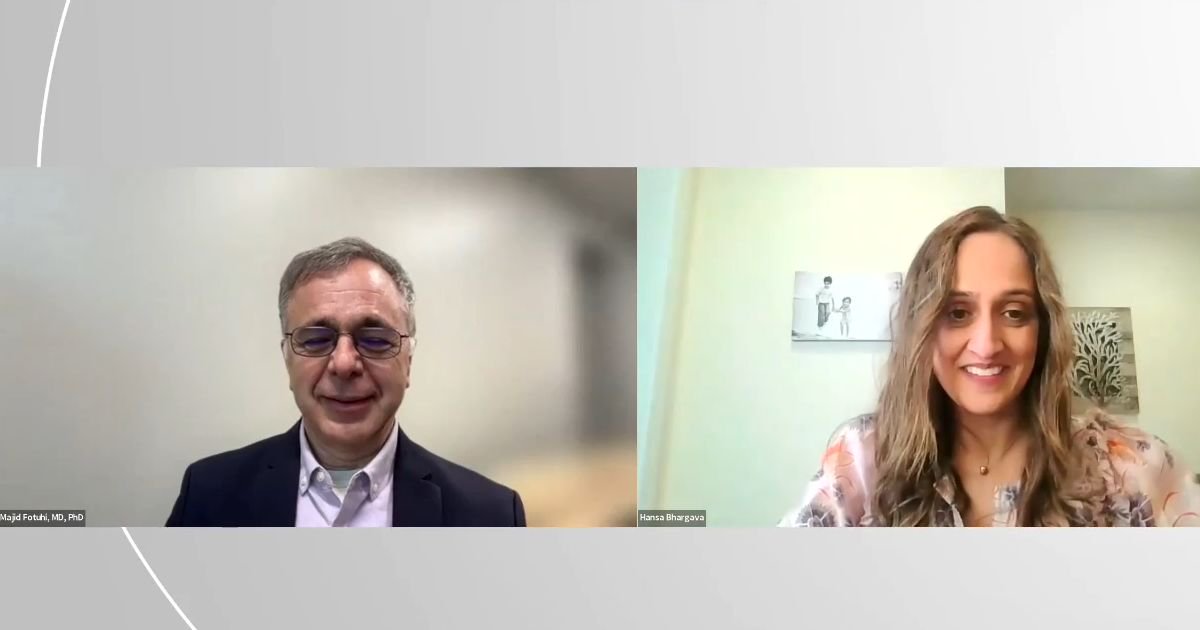
During a recent Healio Community webinar, Majid Fotuhi, MD, PhD, presented evidence-based strategies for mitigating cognitive decline and reducing the risk of Alzheimer disease. The clinical framework, detailed in his recent publication The Invincible Brain: The Clinically Proven Plan to Age-Proof Your Brain and Stay Sharp for Life, emphasizes a proactive, 12-week regimen targeting five modifiable lifestyle factors to support neurogenesis and preserve cognitive function.
Epidemiologic Context and Diagnostic Challenges
The burden of cognitive impairment continues to grow in the United States. Hansa Bhargava, MD, chief clinical strategy and innovation officer at Healio, provided current epidemiological data during the presentation, highlighting the escalating prevalence of Alzheimer disease and related dementias (Table 1).
Table 1. Current and Projected Estimates of Alzheimer Disease and Dementia in the US (2026)
| Epidemiologic Metric | Current/Projected Estimate |
| Americans Aged $\ge$65 Years with Alzheimer Disease | 7.4 million |
| Estimated Total Population with Dementia | >6.0 million |
| Projected Prevalence Trajectory | Expected to double by the year 2060 |
Data presented by Hansa Bhargava, MD, during the Healio Community webinar.
Fotuhi noted that clinical experience frequently reveals diagnostic inaccuracies regarding Alzheimer disease. Many older patients presenting with cognitive deficits are misdiagnosed when their symptoms are actually sequelae of unmanaged comorbidities, such as sleep apnea or uncontrolled diabetes mellitus.
Fotuhi explained the potential for clinical reversal of cognitive decline:
“Alzheimer’s is often overdiagnosed, [but] there are so many factors — at least 10 factors — that contribute to brain shrinkage with aging. [What’s] more exciting than that, is that these can be reversible.”
The 12-Week Multimodal Intervention
Through an extensive review of neurological literature and clinical practice, Fotuhi identified five primary modifiable factors essential for cognitive development and longevity: physical exercise, adequate sleep, a balanced diet, stress management, and targeted brain training.
Rather than isolating these variables, Fotuhi hypothesized that a combinatorial approach would yield synergistic neurological benefits:
“I realized these five factors are the most important determinants of brain health. And, I thought to myself, why don’t we put all of them together? If each one of them independently can increase brain health, increase the number of vessels [and] small capillaries in the brain [and] reduce inflammation … why don’t we just combine them into one program?”
In practice, this 12-week protocol requires patients to attend biweekly in-office sessions with designated “brain coaches.” Interventions are introduced progressively, beginning with gradual increases in walking duration. The program has demonstrated substantial clinical efficacy across various patient populations (Table 2).
Table 2. Characteristics and Outcomes of the 12-Week Brain Health Program
| Program Components | Targeted Patient Populations | Clinical Outcomes |
| 1. Physical Exercise 2. Restorative Sleep 3. Balanced Diet 4. Stress Management 5. Cognitive/Brain Training | • Older adults with mild cognitive impairment (primary cohort) • Patients with post-concussive syndrome • Patients with attention-deficit/hyperactivity disorder (ADHD) | 84% of participating patients demonstrated measurable improvements in overall cognitive function. |
Neurological Impact of Sleep and Stress
While all five pillars hold clinical value, Fotuhi specifically emphasized the critical roles of deep sleep and cortisol regulation. Deep sleep acts as a neurological clearance mechanism, facilitating the removal of metabolic byproducts—such as amyloid plaques—that accumulate, trigger neuroinflammation, and accelerate Alzheimer disease pathology.
“Optimal sleep is important for brain health in general, for keeping your brain young as you get older and for recovery from stroke or concussions,” Fotuhi stated.
Conversely, chronic psychological stress elevating circulating cortisol levels impairs memory consolidation and induces structural atrophy in the brain.
“The more you stress, the more your hippocampus shrinks, and the more likely you are to develop Alzheimer’s disease,” Fotuhi warned.
To counteract these effects, Fotuhi advocates for daily implementation of mindfulness practices, such as meditation and paced breathing. While stress is an unavoidable component of daily life, intentional recovery periods can fundamentally alter the autonomic nervous system’s balance. These techniques serve to > “reduce the sympathetic tone and increase parasympathetic tone … [which] has been associated with a reduction in the amyloid level.”
Emphasizing the accessibility of these techniques, he noted:
“There’s a strong physiology that happens in the brain with deep … slow breathing, for even 2 to 5 minutes. I do it because I know these things have a powerful impact on my brain.”
Cognitive Engagement in the Era of Artificial Intelligence
Addressing the rapid integration of artificial intelligence (AI) in clinical and personal settings, Fotuhi urged a balanced approach. He cautioned that over-reliance on technology can lead to cognitive atrophy, whereas active engagement can serve as a form of neuro-stimulation.
“If you use AI intelligently, it can help to challenge your brain, which is a good thing for you, but if you use it passively and substitute and outsource your brain to AI, then your brain will lose all the capacities that you have,” he observed. > “We can’t let AI take away whatever else our brain is doing.”
To further promote independent thought and cognitive challenge, Fotuhi has launched a complementary online course and application, allowing users to customize brain-health strategies based on individualized risk assessments.
Ultimately, Fotuhi reminded clinicians that the goal of neuro-preservation extends beyond mere survival, concluding:
“[M]ore than longevity, it’s the happiness that matters. You want to enjoy today … and live longer too. Whether or not you are enjoying your day-to-day has to do with how you think, and that can be changed … You can engineer your mindset.”
Disclosures
Bhargava reports serving as chief clinical strategy and innovation officer at Healio. Fotuhi is the author of The Invincible Brain.