Gestational Diabetes Associated With Earlier Onset of Type 2 Diabetes in Later Life
September 22, 2026
Key Points
- Women with a history of gestational diabetes (GDM) developed type 2 diabetes at a substantially younger age than women without previous GDM.
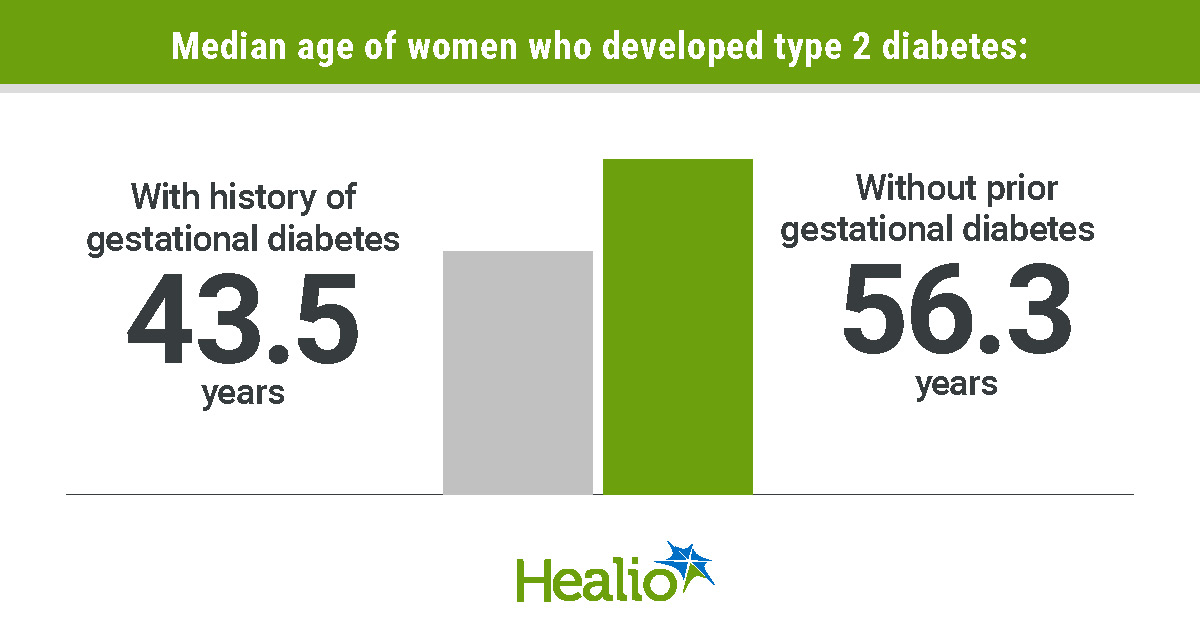
- Median age at type 2 diabetes diagnosis was 43.5 years among women with previous GDM compared with 56.3 years among those without a history of GDM.
- Approximately 40% of women with previous GDM developed type 2 diabetes before age 40 years, compared with approximately 6% of women without previous GDM.
- Women with previous GDM were also more likely to require insulin soon after type 2 diabetes diagnosis and had lower fasting C-peptide concentrations.
Study Overview
Women who develop gestational diabetes during pregnancy may face not only a higher long-term risk of type 2 diabetes but also an earlier onset of the disease, according to findings from the Danish Centre for Strategic Research in Type 2 Diabetes (DD2) cohort.
The analysis included 2,865 women with a previous pregnancy. Of these, 173 had a history of gestational diabetes and 2,692 had no history of GDM.
The findings were scheduled for presentation as oral abstract 173 at the European Association for the Study of Diabetes (EASD) Annual Meeting, September 28 through October 2, 2026, in Milan.
Maria Houborg Petersen, MD, PhD, a postdoctoral researcher at Steno Diabetes Center Odense, Denmark, said the investigators anticipated an earlier onset of type 2 diabetes among women with previous GDM but were surprised by the magnitude of the difference.
Earlier Diagnosis of Type 2 Diabetes
Women with a history of GDM were diagnosed with type 2 diabetes at a median age of 43.5 years, compared with 56.3 years among women who had never experienced GDM.
| Measure | Previous GDM | No previous GDM |
|---|---|---|
| Number of women | 173 | 2,692 |
| Median age at type 2 diabetes diagnosis | 43.5 years | 56.3 years |
| Statistical significance | P < .001 | |
| Type 2 diabetes diagnosed before age 40 years | ~40% | ~6% |
The difference corresponds to a 12.8-year difference in median age at diagnosis between the 2 groups.
The investigators therefore identified previous GDM as a marker associated with substantially earlier development of type 2 diabetes.
A Potentially Distinct Type 2 Diabetes Phenotype
Petersen suggested that the implications of previous GDM may extend beyond simply increasing the likelihood of developing type 2 diabetes.
“Women with previous gestational diabetes are not only at high risk of developing type 2 diabetes later in life, they also seem to develop a distinct type 2 diabetes phenotype characterized by potentially greater severity and elevated risk of diabetes complications over time.”
One finding supporting this possibility was the greater proportion of women who required insulin soon after their diabetes diagnosis.
Insulin Use and β-Cell Function
| Measure | Previous GDM | No previous GDM | P value |
|---|---|---|---|
| Insulin use shortly after type 2 diabetes onset | 10.4% | 5.2% | <.01 |
| Fasting C-peptide | 1,068 pmol/L | 1,195 pmol/L | <.05 |
The approximately 10.4% vs 5.2% difference indicates that insulin use soon after diagnosis was about twice as frequent among women with previous GDM.
Fasting C-peptide concentrations were also lower among women with previous GDM. Because C-peptide reflects endogenous insulin secretion, the finding may be consistent with differences in pancreatic β-cell function, although the study did not establish the underlying mechanism.
Similarities in Conventional Metabolic Measures
Despite the earlier diabetes onset and differences in insulin use and C-peptide concentrations, several metabolic characteristics were reportedly similar between the groups.
There were no differences in:
- Body mass index
- HbA1c
- Fasting glucose
- Measures of insulin resistance
- Measures of insulin sensitivity
This is notable because the earlier development of type 2 diabetes among women with previous GDM was not accompanied by reported differences in these commonly measured metabolic parameters in the available analysis.
Diabetes Complications
The researchers also evaluated several diabetes-related complications.
| Complication | Difference between groups |
|---|---|
| Nephropathy | No reported difference |
| Neuropathy | No reported difference |
| Cardiovascular disease | No reported difference |
| Diabetic retinopathy | Difference reported, but clinical relevance uncertain |
The prevalence of nephropathy, neuropathy, and cardiovascular disease was similar between women with and without previous GDM.
A difference in diabetic retinopathy was identified, but the investigators could not determine whether it was clinically meaningful because the number of retinopathy cases was small.
Therefore, although Petersen proposed that women with previous GDM may have a phenotype associated with greater long-term complication risk, the data provided do not demonstrate a higher prevalence of most evaluated complications at the time of this analysis.
Why the Findings Matter
The findings reinforce the importance of long-term diabetes surveillance after gestational diabetes.
Petersen emphasized that regular screening for type 2 diabetes is already recommended for women with previous GDM, but adherence to screening remains inadequate.
“We already recommend regular screening for type 2 diabetes to these women.”
She added:
“Unfortunately, adherence to this screening is poor. We need to make sure more women attend to regular screening.”
The study therefore highlights a potential opportunity for clinicians to improve follow-up after pregnancy complicated by GDM.
Implications for Clinical Practice
The investigators suggested that women with previous GDM who subsequently develop type 2 diabetes may warrant particularly attentive follow-up.
Petersen stated:
“Furthermore, if these women develop type 2 diabetes, we might need to follow them closer and make sure to treat them intensively, because they might be at higher risk of developing diabetes complications over time.”
This statement represents the investigator’s interpretation of the findings rather than evidence from a randomized treatment trial demonstrating that more intensive treatment improves outcomes specifically in women with previous GDM.
Potential Clinical Considerations
- Long-term screening: Women with previous GDM should remain engaged with recommended diabetes surveillance after pregnancy.
- Earlier detection: The substantially younger median age at diagnosis suggests that type 2 diabetes may emerge relatively early in this population.
- Attention to β-cell function: Lower fasting C-peptide levels and greater early insulin use raise questions about differences in insulin secretory capacity.
- Monitoring after diagnosis: Clinicians may need to pay particular attention to glycemic control and diabetes complications once type 2 diabetes develops.
- Further phenotyping: More detailed metabolic studies are needed to determine whether previous GDM identifies a biologically distinct form of type 2 diabetes.
Proposed Areas for Further Research
Petersen called for more detailed investigation into the metabolic phenotype of women who develop type 2 diabetes after GDM.
She specifically proposed studies involving hyperinsulinemic-euglycemic clamp investigations to characterize insulin sensitivity and β-cell function, along with muscle and adipose tissue biopsies.
“This should include clamp investigations of insulin sensitivity and beta-cell function, including muscle and fat biopsies.”
The investigators also proposed longitudinal evaluation of metabolic and biochemical characteristics.
“Furthermore, we need to make further follow-up over time on metabolic and biochemical data on women with type 2 diabetes and previous gestational diabetes compared to women with type 2 diabetes without previous gestational diabetes.”
Such studies could help determine whether previous GDM is associated with specific abnormalities in insulin secretion, insulin sensitivity, adipose tissue biology, or skeletal muscle metabolism.
Study at a Glance
| Characteristic | Finding |
|---|---|
| Study cohort | Danish Centre for Strategic Research in Type 2 Diabetes (DD2) |
| Participants | 2,865 women with a previous pregnancy |
| Previous GDM | 173 women |
| No previous GDM | 2,692 women |
| Median age at type 2 diabetes diagnosis, previous GDM | 43.5 years |
| Median age at diagnosis, no previous GDM | 56.3 years |
| Difference in median age | 12.8 years |
| Diagnosis before age 40, previous GDM | ~40% |
| Diagnosis before age 40, no previous GDM | ~6% |
| Insulin use shortly after diagnosis | 10.4% vs 5.2%; P < .01 |
| Fasting C-peptide | 1,068 vs 1,195 pmol/L; P < .05 |
| BMI | No reported difference |
| HbA1c | No reported difference |
| Fasting glucose | No reported difference |
| Insulin resistance | No reported difference |
| Insulin sensitivity | No reported difference |
| Nephropathy | Similar between groups |
| Neuropathy | Similar between groups |
| Cardiovascular disease | Similar between groups |
| Retinopathy | Difference reported; clinical significance uncertain |
Conclusion
In this analysis of women enrolled in the DD2 cohort, a history of gestational diabetes was associated with substantially earlier development of type 2 diabetes. Median age at diagnosis was 43.5 years among women with previous GDM compared with 56.3 years among women without previous GDM, while approximately 40% of the former group developed diabetes before age 40 years.
Women with previous GDM also had greater early insulin use and lower fasting C-peptide concentrations, raising the possibility of differences in insulin secretory capacity. However, BMI, HbA1c, fasting glucose, insulin resistance, and insulin sensitivity did not differ between groups.
The findings support continued emphasis on postpartum and long-term diabetes screening after gestational diabetes. Whether previous GDM represents a distinct type 2 diabetes phenotype with greater long-term complication risk requires additional longitudinal and mechanistic investigation.
Source: Petersen MH, et al. Oral abstract 173. To be presented at the European Association for the Study of Diabetes Annual Meeting; September 28-October 2, 2026; Milan, Italy.
Disclosure: Maria Houborg Petersen reported no relevant financial disclosures.